Source eco friendly printed wedding tie for Gifts, Weddings, Parties
Compare 30 eco friendly printed wedding tie options from verified suppliers. Buyers can review materials like polyester and cotton, customization features, and packaging details for casual, formal, and banquet occasions; compare the available evidence and request quotations based on your requirements.
Key considerations
Products List






Comprehensive Sourcing Guide
Eco Friendly Printed Wedding Tie Sourcing Guide
Sourcing eco-friendly printed wedding ties requires a nuanced understanding of material composition, printing techniques, and supply chain transparency. Buyers must distinguish between marketing claims and verifiable attributes, focusing on fabrics that balance aesthetic appeal with environmental responsibility. The market offers a variety of options, from polyester blends to natural fibers, each presenting unique trade-offs in durability, cost, and ecological impact. Understanding these distinctions is critical for aligning procurement with brand values and customer expectations.
This guide provides a structured approach to evaluating suppliers and products in this niche. It emphasizes the importance of verifying technical specifications, compliance documentation, and commercial terms. By focusing on evidence-based decision-making, buyers can mitigate risks associated with greenwashing and ensure that the final products meet both quality standards and sustainability goals. The following sections detail the key considerations for successful procurement in this category.
Product Scope and Observed Listing Signals
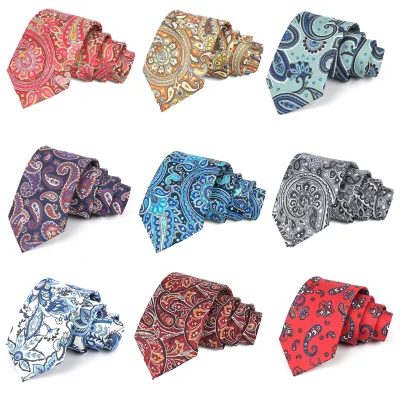
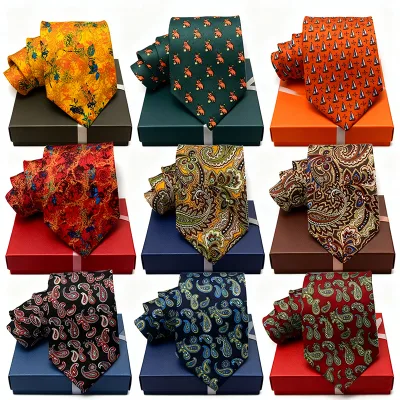
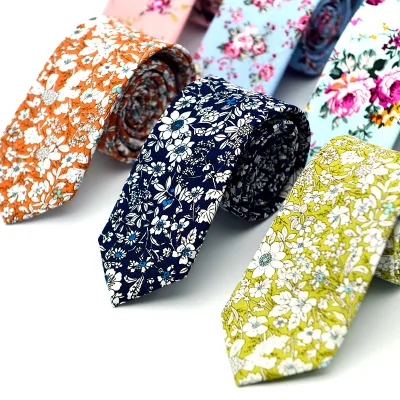
The observed product landscape for wedding ties reveals a diverse range of materials and styles, with polyester and cotton being prominent choices. Listings indicate that polyester is often used in printed designs, leveraging techniques like heat-transfer printing to achieve vibrant, detailed patterns such as paisley, florals, and stripes. Some products also feature jacquard or embroidered patterns, offering texture and depth. The style ranges from plain dyed to more elaborate designs, catering to various wedding themes from casual to formal.
Customization is a significant feature in this market, with many suppliers offering tailored options for colors, tipping, and labels. Buyers can choose from a wide array of color codes, allowing for precise matching with wedding palettes. The tipping options, including navy, black, or custom-made, provide additional personalization. These signals suggest that suppliers are equipped to handle bespoke orders, which is crucial for wedding events where uniqueness and personal expression are highly valued.
Technical Specifications to Verify
When evaluating technical specifications, buyers should prioritize dimensions and weight to ensure consistency across large orders. Observed sizes typically range from 6-9cm in width, with lengths between 142cm and 150cm, which are standard for men’s neckties. Single package sizes vary, with some products measuring around 27x8x2 cm or 30x10x3 cm, indicating differences in packaging methods. Weight is another critical factor, with products ranging from 0.06 kg to 0.08 kg per unit, affecting shipping costs and handling.
Model numbers and product names provide additional identification, such as "Mens Paisley Necktie" or specific codes like 062607 and 060311. These identifiers help in tracking inventory and communicating with suppliers. Buyers should verify that the specified model numbers correspond to the desired design and material. Additionally, checking the single gross weight and package dimensions ensures accurate logistics planning and cost estimation.
Compliance and Safety Documentation
Compliance and safety are paramount in the textile industry, especially for products worn close to the skin. Buyers should request documentation that verifies adherence to relevant standards, such as SGS certification, which indicates that the product has undergone rigorous testing for quality and safety. This certification helps ensure that the ties are free from harmful substances and meet international quality benchmarks.
In addition to product-specific certifications, buyers should inquire about broader environmental and social compliance. While some background information mentions FSC certification, its direct applicability to polyester ties may be limited, so verification is necessary. Buyers should also check for any specific safety data sheets or test reports that confirm the absence of hazardous chemicals, ensuring that the products are safe for both wearers and the environment.
Cost Drivers and Commercial Terms
Cost drivers in the eco-friendly printed wedding tie market include material selection, printing complexity, and customization levels. Polyester, being a versatile and cost-effective material, often results in lower prices compared to natural fibers like silk or high-quality cotton. However, the use of advanced printing techniques, such as heat-transfer printing, can increase production costs. Customization options, including custom colors, tipping, and labels, also add to the overall price.
Commercial terms such as MOQ (Minimum Order Quantity) and lead times are critical for budgeting and planning. Observed MOQs range from 10 to 200 pieces, offering flexibility for different order sizes. Buyers should negotiate terms that align with their inventory needs and cash flow. Additionally, understanding the packing methods, such as polybags or gift boxes, can impact both cost and presentation, influencing the final retail price.
Supplier Qualification and Quality Control
Supplier qualification involves assessing their production capabilities, quality control processes, and track record. Buyers should verify that suppliers have the necessary equipment and expertise to produce high-quality printed ties. This includes checking for consistent color matching, precise cutting, and durable stitching. Quality control measures, such as in-process inspections and final product checks, are essential to ensure that the ties meet the specified standards.
Buyers should also evaluate the supplier’s ability to handle customization requests efficiently. This includes their responsiveness to design changes, accuracy in fulfilling custom orders, and ability to meet deadlines. Requesting samples before placing large orders is a prudent step to assess quality firsthand. Additionally, checking for any past issues or complaints can provide insights into the supplier’s reliability and commitment to customer satisfaction.
Long-Term Procurement Checks
Long-term procurement checks focus on building sustainable relationships with suppliers and ensuring continuous improvement. Buyers should establish clear communication channels and regular review meetings to discuss performance, feedback, and potential improvements. This helps in identifying any recurring issues and addressing them proactively. Building a partnership based on mutual trust and transparency can lead to better pricing, priority service, and collaborative innovation.
Additionally, buyers should monitor market trends and technological advancements in eco-friendly textiles. Staying informed about new materials, printing techniques, and sustainability certifications can help in making informed decisions and staying competitive. Regular audits of supplier practices and product quality are also essential to maintain high standards and ensure that the procurement strategy aligns with evolving environmental and social responsibilities.
FAQs
What materials are used for eco friendly printed wedding ties?
These ties are primarily made from 100% polyester or polyester/cotton blends. The fabric choice ensures durability and breathability while supporting eco-friendly production methods. Some options also utilize silk or polyester combinations for a premium feel. The material selection allows for vibrant heat-transfer printing, ensuring the designs remain sharp and long-lasting for wedding ceremonies and formal events.
Can I customize the tipping color on these neckties?
Yes, customization is available for the tipping color. Buyers can choose from standard options like navy or black, or request custom-made colors to match specific wedding themes. This flexibility allows for precise coordination with wedding party attire. The customization process is straightforward, ensuring that the final product aligns perfectly with your desired aesthetic and branding requirements.
What is the typical MOQ for ordering printed wedding ties?
The minimum order quantity varies by product style, typically ranging from 10 to 100 pieces. Some specific models require a MOQ of 100 pieces, while others may accept orders as low as 10 pieces. This range accommodates both small boutique orders and larger bulk purchases. Buyers should check the specific model number to confirm the exact MOQ requirements for their selected design.
How are the ties packaged for shipping and protection?
Ties are packaged in individual polybags or gift boxes for retail readiness. Bulk shipments are consolidated into carton boxes to ensure safe transit. The single package size is approximately 27x8x2 cm, with a gross weight of 0.08 kg. This packaging method protects the ties from damage while maintaining a professional appearance for gifting or direct distribution to end customers.
What printing techniques are used for the tie designs?
The ties utilize heat-transfer printing techniques to achieve vibrant and detailed patterns. This method supports various designs, including stripes, florals, paisley, and jacquard effects. The printing ensures colorfastness and durability, making the ties suitable for repeated wear. The technique allows for high-quality reproduction of complex patterns, enhancing the visual appeal for weddings, parties, and formal occasions.
Are samples available for quality verification before bulk orders?
Samples are available for quality verification prior to placing bulk orders. This allows buyers to inspect the material quality, print accuracy, and overall craftsmanship. The sample process ensures that the final production meets your expectations for eco-friendly standards and design fidelity. Buyers can request samples to confirm the suitability of the ties for their specific wedding or event requirements.